
Arrested While Skiing or Vacationing in Colorado: What Happens Next?
A Colorado ski trip can become complicated quickly if an arrest occurs far from home. For a visitor, the immediate problem is not only getting out of custody. You may also have a hotel or vacation rental, a parked or impounded vehicle, ski equipment, a rental car, traveling companions, and a flight scheduled before the criminal case has even reached its first hearing.
The key is to separate the immediate release process from the longer-term court case and deal with each in the right order.
Need help now with a ski- or vacation-related arrest?
Urban Bail Bonds can help coordinate bond, explain conditions, and work with family in other states while you’re still in a Colorado jail.Call Urban Bail Bonds 24/7
First, Find Out Which County Has the Case
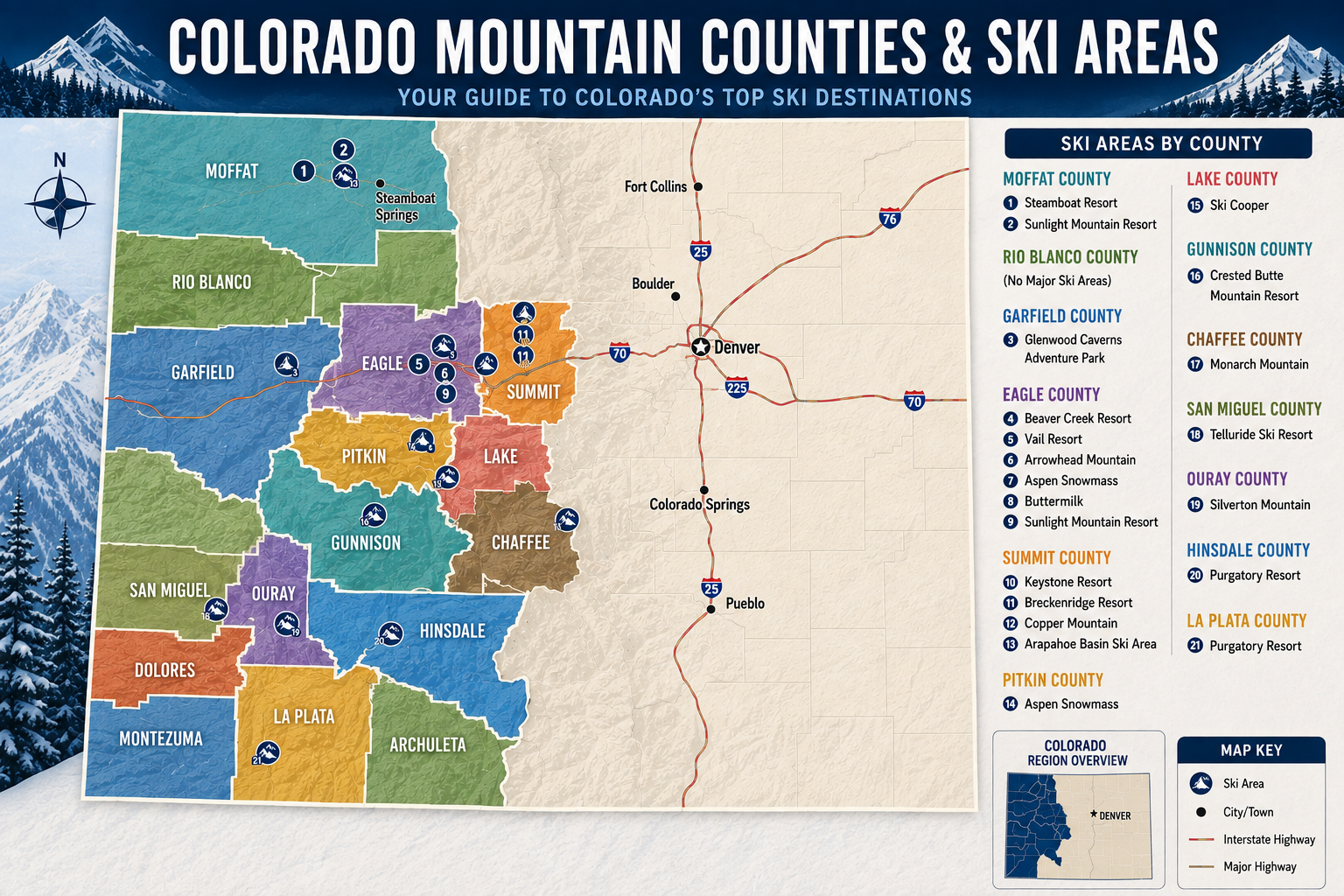
An arrest near a ski area does not automatically mean the case will be handled in Denver or wherever you flew into Colorado. The location of the alleged offense generally determines which local court and jail system become involved.
That matters because booking procedures, bond processing, court schedules, and release logistics can differ by county. Colorado’s mountain destinations cross numerous jurisdictions, so the first practical questions are:
- Where is the person being held?
- What agency made the arrest?
- What county is the case in?
- Has a bond been set?
- Is there another warrant or hold affecting release?
We visited this issue recently in more detail in The Geography of Getting Arrested: How County Lines Change Everything.
Bond May Be the First Major Deadline

If the person remains in jail and needs an individualized bond setting, Colorado law generally requires a bond hearing within 48 hours after arrival at the jail, subject to limited exceptions. The state’s 48-hour bond hearing legislation also addresses circumstances in which an arrestee cannot be brought before the court within that period.
Once a bond is available, the method of release depends on what the court authorizes. Colorado recognizes several forms of bond, including cash bonds, personal recognizance bonds, professional surety bonds, and property bonds. A professional surety bond is posted through a state-licensed bondsman and may require a co-signer or collateral.
Confused about bond types or how to post from out of state?
We work every day with cash, PR, professional surety, and property bonds. Urban Bail Bonds can explain the options in plain English, help you decide which bond type applies in your case, and coordinate both the bond and the jail release—even if you’re hundreds or thousands of miles away.Call Now for Bond Help
For a traveler whose family is hundreds or thousands of miles away, the co-signer does not necessarily need to be standing at the Colorado jail. Urban Bail Bonds is here to help you navigate a remote bail situation if you’re in another state.
Do Not Assume You Can Catch Your Flight Home
This is one of the biggest differences between a local arrest and an arrest while vacationing.
Being released does not automatically mean you are free to board the next flight out of Colorado. Colorado Judicial Branch bond information specifically warns that leaving Colorado without approval of both the court and the surety can violate the bond. Its official guide to bond types and bond paperwork also explains that a defendant wishing to leave the state may need the surety’s consent.

That makes travel permission an immediate issue for an out-of-state visitor. Before changing flights or starting the drive home, confirm exactly what the written bond conditions allow. If permission is required, address it through the proper court and bonding channels rather than assuming residency in another state creates an exception.
Your Vacation Logistics Still Need Attention

Release from jail does not solve the practical problems created by an unexpected arrest. Someone may need to handle:
- A rental car or privately owned vehicle left at the arrest location
- Skis, snowboards, luggage, phones, wallets, or other property
- Hotel checkout or a vacation-rental departure deadline
- Children or other family members traveling with the arrested person
- A missed shuttle, rental-car return, or airline reservation
These are separate from the criminal case. A friend or family member may be able to handle some of them while the defendant focuses on release conditions, legal representation, and the next court date. If a vehicle was impounded or property was taken into evidence, the relevant law-enforcement agency should be contacted for its release procedure.
Can You Handle the Case From Home?
Possibly, but never assume that every hearing can be handled remotely.
Colorado courts do use virtual courtrooms, but the Colorado Judicial Branch states that a person must have prior court approval to appear virtually. Simply opening a livestream or Webex link does not count as an authorized appearance.
An out-of-state defendant should therefore speak with a Colorado criminal-defense attorney as early as possible about which appearances are mandatory, whether a request for remote appearance is appropriate, and how future travel should be managed.

Urban Bail Bonds previously addressed some broader visitor concerns our 2023 article: Arrested In Colorado? FAQs for Tourists. The important point for a ski or vacation arrest is that getting released is only the first step. Before heading home, make sure the county, court date, bond conditions, travel restrictions, and required appearances are all clearly understood.
Get the Release Process Moving First
A vacation arrest creates two problems at once: a Colorado criminal case and a disrupted trip.
The fastest way to regain control is to identify the correct jail and county, determine the bond status, arrange release if a bond is available, and then address travel and court obligations before leaving Colorado.
Urban Bail Bonds can help families and out-of-state travelers understand the bonding process and coordinate a professional surety bond when one is permitted. The criminal case itself should be handled with a qualified Colorado attorney, but getting accurate bond information early can prevent avoidable delays at the most time-sensitive stage.
Visitor Arrest FAQs: Ski Trips, Vacations, and Out‑of‑State Defendants
In many cases a standard bond is set shortly after booking. If the court requires an individualized bond hearing, Colorado law generally requires that hearing within about 48 hours of arriving at the jail, with limited exceptions. A licensed bondsman can monitor when bond becomes available and start the release process as soon as it is set.
Often, yes. For a professional surety bond, the co‑signer usually does not have to be physically present at the Colorado jail. Paperwork, payment, and collateral arrangements can frequently be handled by phone, email, or secure electronic signature. The bondsman then posts the bond locally to secure release.
Not necessarily. Your written bond conditions may restrict travel or require court and surety permission before you leave Colorado. Violating those conditions can result in a warrant and bond revocation. Always review the bond paperwork and ask your attorney and bondsman before changing flights or driving home.
Some routine hearings may be handled by your Colorado attorney or through a pre‑approved virtual appearance, but others—such as arraignments, plea hearings, or trial—may require you to appear in person. Each case and court is different, so it is important to speak with a Colorado defense lawyer early about which appearances are mandatory.
Those issues are separate from the criminal case and usually need to be handled by a friend, family member, or traveling companion. Vehicles may be towed or impounded, and personal items might be stored by law enforcement or the hotel. Contact the rental company, property manager, or police agency involved to find out the procedures and deadlines for retrieval.
Yes. Many visitors are unfamiliar with Colorado geography and county lines. With basic information—such as the ski area, town name, or arresting agency—Urban Bail Bonds can typically identify the correct jail and county, confirm whether a bond has been set, and explain next steps to get the release process moving.
Yes. A bondsman’s role is to help with release and compliance with bond conditions, not to give legal advice or defend the criminal charge. Once bond and release are in motion, you should work with a qualified Colorado criminal-defense lawyer to handle the case itself, evaluate the evidence, and represent you in court.