
What Becomes of the Money Paid as Bail
Bail helps ensure accountability, reinforces the presumption of innocence, and enables people to get on with their lives as they await their day in court. As we have seen in numerous states nationwide, once bail is removed from the equation, the entire justice system begins to falter, and victims’ rights go out the window. But what happens to all the money paid into the bail system? Do corrupt politicians siphon it off to build luxury residences? Or is there a more reassuring explanation? In this post, the bail bond agents at Urban Bail Company examine what happens to all the bail money.
Bail in a Nutshell
If you didn’t know, bail is money paid by a defendant to gain their release from jail while they await their trial date. Sometimes bail is paid in cash. Other times, bail takes the form of a bond issued by a bail agent who has been paid a fee by the defendant or someone they know. Every year, bail companies write approximately $14 billion in bail bonds, with several billion dollars more being paid into the system in cash.
Who Pays How Much?
The amount of bail an individual pays will depend on several factors. First, there is the seriousness of the offense. If it’s something minor, bail may only be a couple of hundred dollars. But as the infractions get more serious, bail amounts increase. For instance, if someone is able to get bail after being accused of murder (not every murder suspect will be bail-eligible), their bail amount may run anywhere from $250,000 to $1 million or more.
The next consideration is the individual’s criminal history. Repeat offenders have historically been given increasingly high bail amounts as their arrests pile up. Eventually, most are denied bail. A judge may also consider a person’s financial situation. If they are unable to even pay the bondsman’s fee, the judge may release them without bail, but with an ankle bracelet or similar monitoring device to track their whereabouts.
| Factor | How It Affects Bail |
|---|---|
| Seriousness of the charge | More serious charges usually mean higher bail amounts. |
| Criminal history | Repeat offenders tend to face higher bail and may eventually be denied bail. |
| Flight risk | If the court believes a person might flee, it can raise or deny bail. |
| Ability to pay | Courts sometimes adjust bail or use alternatives like monitoring if a person cannot afford bail. |
What is the Role of the Bail Company?
Because most people don’t have enough cash to pay their bail out of pocket, they’ll call a bail bond company. The bail bond agent will then write a bond for the bail amount for a fee, which, in most cases, is pretty modest. The fee is non-refundable and retained by the bondsman in return for their services. Guilty or innocent, if the defendant attended all their court dates and generally behaved while out on bail, the bond amount will be returned to the bail agent upon completion of the trial. If the individual posted bail using cash or a credit card, the amount will be returned to them after the trial, whether they are found guilty or not guilty.
Bail is Returned Even if the Defendant is Found Guilty?
That’s right. Remember, the purpose of bail is to give the accused a financial incentive to appear in court to face the charges against them. It is not in itself a form of punishment, and it is not verdict-dependent. As long as the accused has fulfilled their obligation to society by appearing, the bail has served its purpose and is returned to whoever posted it once the trial is over. In most cases, the bail bondsman who wrote the bond to secure the defendant’s release after they were arrested.
Bail is a guarantee of appearance, not a fine. When a defendant shows up as required, the underlying bail amount is typically released back to whoever posted it.
Who Gets the Money if the Charges are Dropped?
Sometimes a defendant shows up for a pretrial hearing or trial court and learns that the charges against them have been dropped. There are a number of reasons why that might happen. It could be that an important witness is no longer willing to testify. Or it could be that new evidence has come to light pointing the finger at someone else. Or it could just be that the state has re-examined its case and decided that pursuing a conviction simply wasn’t worth it.
Whatever the reason, if the state decides not to pursue the charges against a defendant, that defendant is immediately released and – as long as they have kept their part of the bargain and showed up for all their court dates – the bail money will be returned to the bondsman or the defendant, if they put up the bail money themselves. The fee paid to the bail bondsman is not returned because its purpose was to cover the costs they incurred working to secure your release and writing the bond.
What About Collateral?
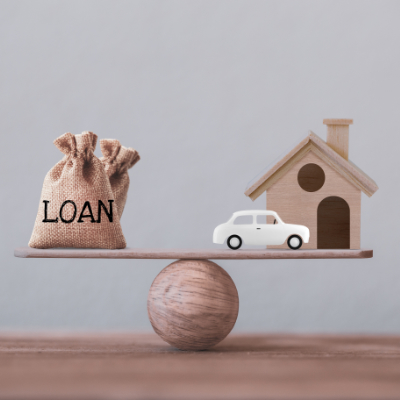
In many cases, the accused, or someone acting on their behalf, will put up a car, a house, or something else of value as collateral to secure the bail bond. The bondsman will then put a lien on that asset. Should the defendant skip bail or otherwise fail to fulfil the conditions of their release, the state will collect on the bond, and the bondsman will seek financial restitution by liquidating the asset. It’s a process that could take months. However, if the defendant is acquitted or the charges against them are dropped, the bail company relinquishes its claim on the asset.
So, Where Does the Money the State Keeps Actually Go?
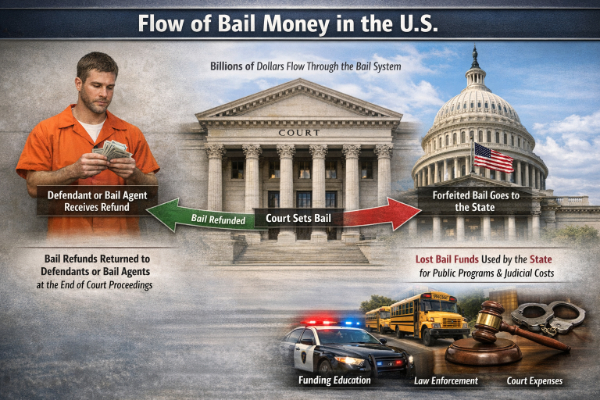
The money the state collects from the bail process may go to any number of places. Sometimes the state or county uses it to help fund the judicial system, including court upkeep, salaries, and related costs. Sometimes the money is forwarded directly to the state treasurer, who places it in the state’s general fund. In which case, there are about a thousand state programs that it may be used for.
How Bail Money Flows Through the System
Every year, billions of dollars flow through the bail system in the United States. Billions of it finds its way back to defendants or bail agents at the conclusion of court proceedings, while the billions that go to the state because someone skipped bail or otherwise violated the terms of their release are used to finance a variety of programs or to help cover the costs of the judicial system, which are formidable.
If you or someone you know has been arrested and needs to be bailed out of jail, get on the phone and contact Urban Bail Company at (303) 736-2275. We provide round-the-clock service at an affordable price. If you call now, your loved one will likely be home in just a few hours. So don’t wait. Call Urban Bail Company now.
Frequently Asked Questions About How Bail Money is Distributed
In most cases, no. As long as you appear for all required court dates and follow the conditions of your release, the underlying bail is released back to whoever posted it, even if you are found guilty. Bail is about ensuring your appearance in court, not punishing you.
The state typically keeps bail money when a defendant fails to appear in court or violates key conditions of release, and the court orders the bail forfeited. At that point, the cash bail paid in is kept or the court collects the amount owed on a bail bond.
Forfeited bail usually goes to the court system or into a county or state fund. Depending on local law, it may help pay for courthouse operations, staff salaries, law enforcement, or be deposited into the state’s general fund to support a wide range of public programs.
No. The bondsman’s fee is the cost of the service they provide in writing the bond and securing your release. It is non-refundable, regardless of the outcome of your case or whether your charges are dismissed.
If you appear in court as required and your case is resolved without a bail forfeiture, the bond is discharged, and the bail company releases its claim on your collateral. Any lien placed on a home, vehicle, or other asset is removed once the bond obligation is satisfied.
If the prosecutor drops the charges and you have appeared as required up to that point, the court usually releases the bail. Cash bail is returned to the person who paid it, while bail posted through a bondsman is returned to the bail company. The bondsman’s fee, however, has not yet been refunded.